Grant Writing Workshop – registrations are open

Intensive hands-on training

These days funding is fiercely competitive (top grants and fellowships often fund fewer than 10% of applicants), thus, locating the right call and meeting its many requirements has become an essential skill for any scientist. This workshop guides you through the maze of information required by most modern funders other than the scientific and technical aspects of their projects.

This course expects to improve your understanding of the current research-funding landscape, discovering the grants and fellowships that are best suited to their project and career stage, develop skills for writing grant and project applications, and recognize the tricky elements of applications.


WHEN

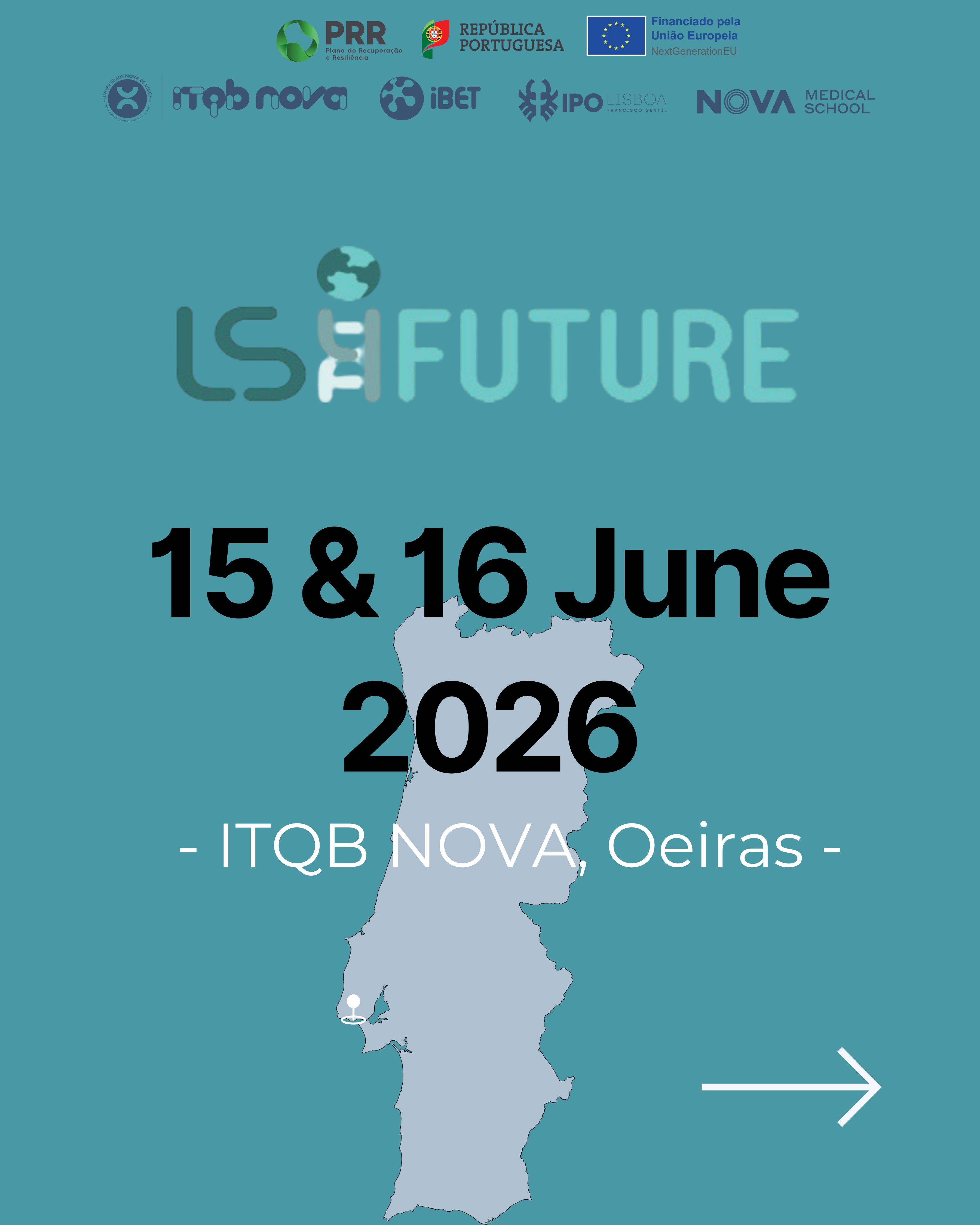
15 & 16 June 2026

from 09:30 to 17:30

WHERE

at ITQB NOVA, Oeiras

ECTS / HOURS

1 ECTS / 28h

(12 hours in person + 16 hours of homework)

CONTENT & PROGRAM

IN PERSON (12h)

Day 1 – 15 June:

Morning Session. The science‑funding ecosystem: identifying funders’ priorities and how they may (or may not) align with your research. Understanding the scope of specific calls for funding proposals. How to find funding sources at national and international levels. Funding for individuals, research groups, and consortia. Practical exercise: finding the right funding source for your research.

Afternoon Session. Workshop on how to write project and grant applications.

Day 2 – 16 June:

Morning Session. Standard elements of funding applications. Eligibility criteria, application procedures and requirements, and evaluation processes. Identifying bottlenecks such as pre‑selection or screening stages. Tailoring your application to the selection process and the evaluation panel. Is your application eligible and competitive?

Afternoon Session. Introduction to research impact and impact narratives. Workshop on writing effective impact narratives. Introduction to the narrative CV; group exercise identifying non‑traditional research outputs and transferable skills.

HOMEWORK (16h)

Before the start of the course, participants will be asked to submit a summary of a research project. These summaries provide the basis for the course’s workshop sessions. After the course, students will be asked to submit revised versions of these texts to receive individualized feedback on their progress.

Differently to most of our trainings, this is a workshop that is OPEN TO EVERYONE, not only to LS4FUTURE members.

This is your opportunity to advance in your career and obtain 1 ECTS by gaining essential insights in how to write successful fellowship and grant proposals.

Althought the target audience is last year PhD students and postdocs, if you feel this is a course for you, your are welcome to apply.

The maximum number of participants is 25, and the selection for participation is competitive.

Participants will be chosen by a Selection Committe attending to:

  • Motivation letter (50%)
  • Academic CV (50%)

TRAINING PROVIDER

FELLOWSHERPA

Fellowsherpa provides practical courses and workshops that help you reach specific goals based on our years of experience in research, education, publishing, communications, and funding management.

Thiago Carvalho received his Ph.D. at the Gulbenkian Institute of Science (Lisbon, Portugal) in 2003 and postdoctoral training at the University of Alabama, Birmingham, both in immunology. Thiago was Head of Graduate Programs for the Gulbenkian Institute of Science, Graduate Studies Coordinator for the Champalimaud Foundation, and senior scientific editor of the Journal of Experimental Medicine. Thiago writes a column on drug development for Nature Medicine and produces the EMBO podcast.

David del Álamo received his Ph.D. in developmental biology at the Severo Ochoa Center for Molecular Biology in Madrid and postdoctoral training at the Mount Sinai Hospital in New York and the Pasteur Institute in Paris. David was scientific editor for The EMBO Journal and EMBO reports, managing editor of Review Commons, and the head of the EMBO Fellowship Programme. David obtained a Master of Business Administration (MBA) degree in 2017. He collaborates as an editorial consultant for The Journal of Cell Biology and Life Science Alliance.

Website

IMPORTANT DATES:

Application period: 01-04-2026 to 30-04-2026

Publication of selection results: 04-05-2026

Claiming period: 04-05-2026 to 15-05-2026

Registration period for those admitted:  25-05-2026 to 29-05-2026 (tuition fee is paid at this time).


PRICES:

Application: 25€ (not reimbursed if not selected)

Enrolment: 15€

Tuition: 475€ (only paid after the results of the selection process are published) *

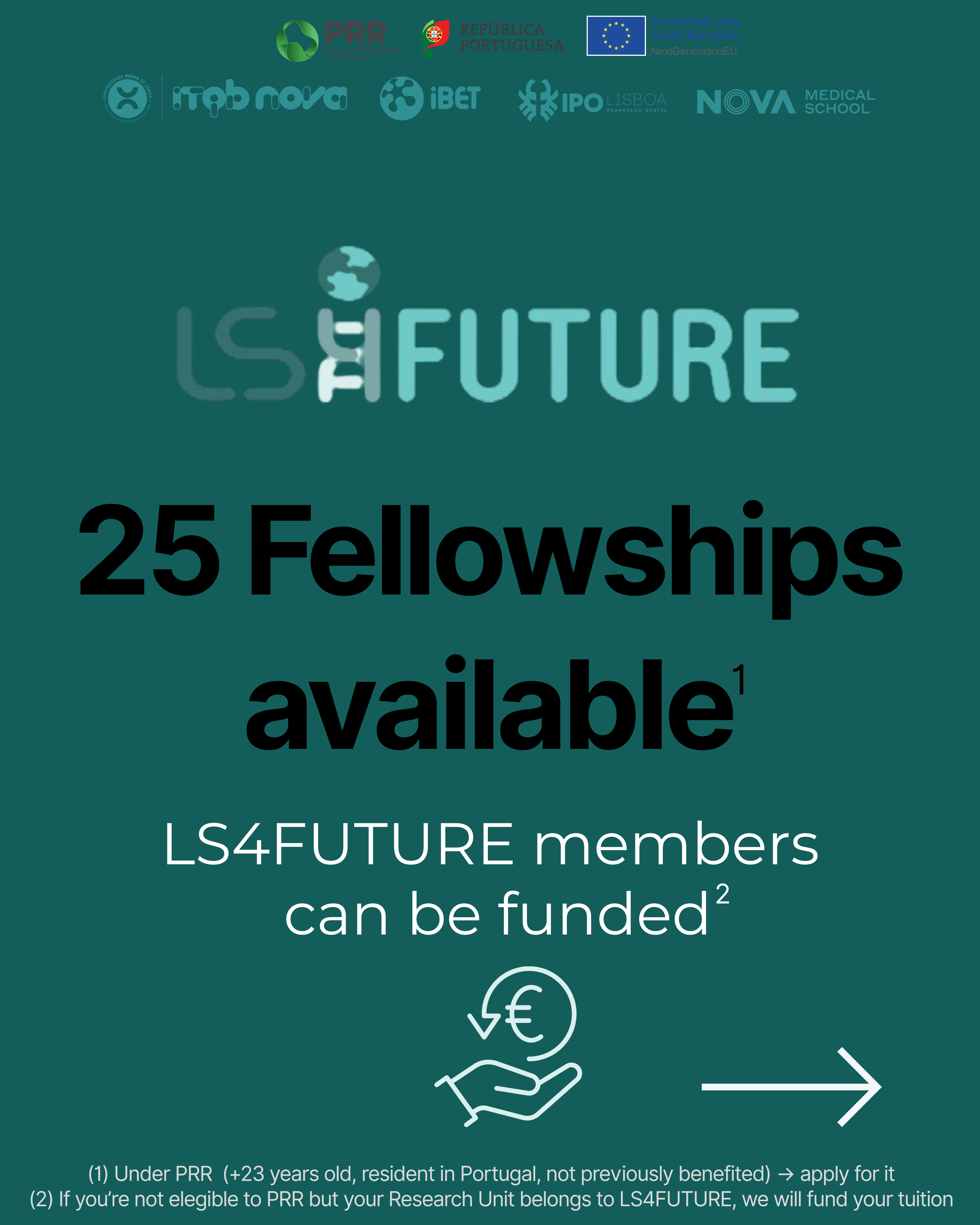
* IMPORTANT NOTE: Please apply for PRR fellowship upon registration to cover the complete tuition fee. Those older than 23 years old, with residency in Portugal, and that is not currently beneficiary of another PRR fellowship, are likely to secure this fellowship (elegibility criteria). These conditions will be checked, and hence documents to demonstrate these criteria must be presented upon application.

Those accepted to the course that applied to the PRR fellowship, but that cannot benefit from this program, can have their tuition fee funded by LS4FUTURE if they are members of the Associate Laboratory (in case you are not sure if your lab belongs to LS4FUTURE, check Our Labs A to Z site, talk your supervisor or contact us at ls4future@ls4future.pt). Please include in your application your affiliation (lab and/or Research Unit of origin) to demonstrate that you belong to LS4FUTURE.

TO REGISTER,

CLICK

HERE

Hard deadline registration:

30 April 2026

If you’ve never entered before at the ITQB NOVA Portal de Candidaturas, you first need to register, then click on Nova Candidatura / New Application, and then choose Cursos de Curta Duração (Short Courses) to select the Grant Writing Workshop.